We pilot, program,
and compete
as cadets.
The Troy High School REC Drones Program is part of the school's NJROTC, with two divisions: Piloting and Coding. We're one of the top drone programs in California and consistently send teams to the National Championship in the REC Foundation Aerial Drone Competition.
Next season's game: TBD. Four missions: Teamwork, Autonomous Flight Skills, Piloting Skills, and Communications.
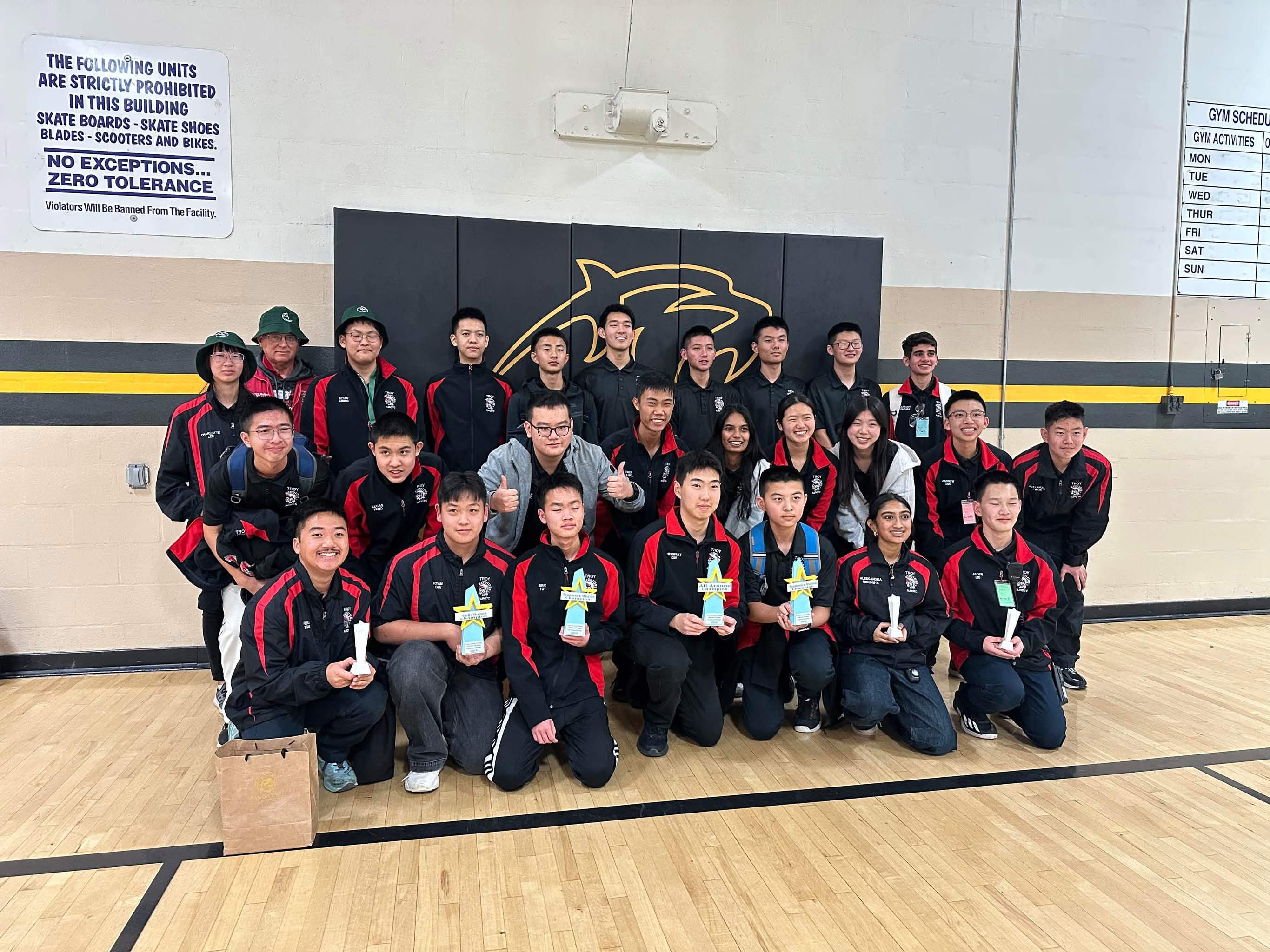
What our team does.
The REC Foundation Aerial Drone Competition runs four missions across two field setups inside a gym. We fly small programmable drones, score points, and travel for it. Here is what that actually looks like.
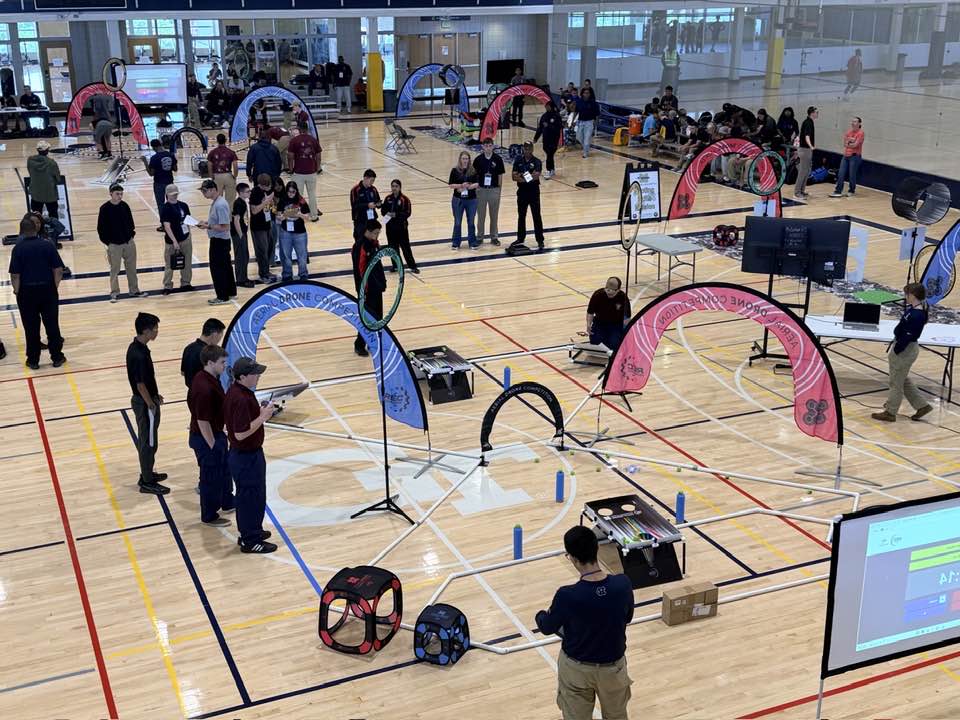
The large gym field with hoops, gates, and pillars. Two teams form an alliance and score together, 90 seconds per match.
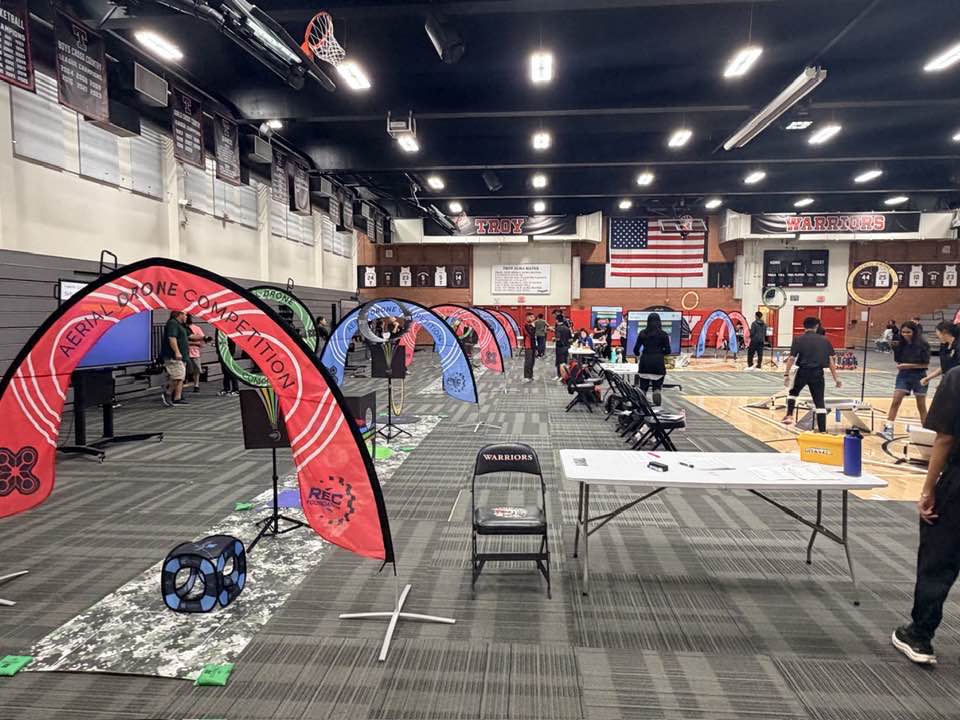
The smaller skills field. Pilots fly a 60-second obstacle course here, and the same field hosts autonomous runs where the drone scores on its own from code we wrote.
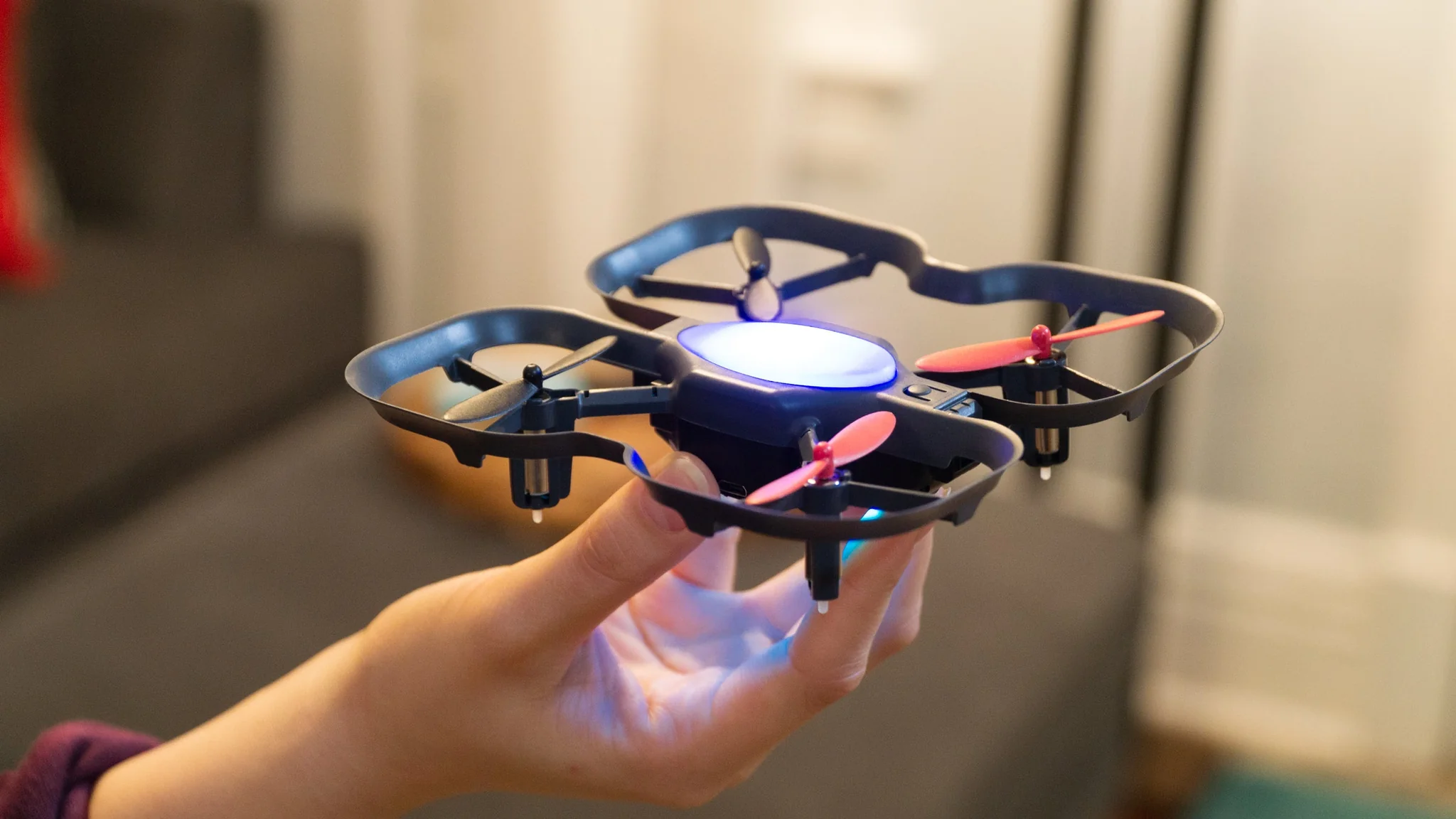
Our competition drone. Small, ducted, programmable in Python and Blockly. Every team in the competition flies the same airframe, so the work is in the pilot and the code, not the hardware.
Indoor obstacle courses against the clock. Through hoops, over walls, between cones. A lot of practice is just learning to keep a hover when nothing is going right.
We write the code that flies the drone when nobody is holding the controller. It has to take off, navigate the course, score, and land on its own.
We travel. Regionals across California, state, and the National Championship. Months of practice for matches that last 90 seconds.
Four reasons
this is worth
your time.
Read these in order. The first is about where drones are headed as an industry. The next three are the roles on the team. Every cadet specializes in one: pilot, copilot, or visual observer in Piloting, programmer in Coding, or communication lead.
Drones aren't a hobby anymore.
Drones map farms, inspect bridges and wind turbines, fight fires, deliver medicine, survey construction sites, and quietly reshape what aerial work means.
Judgment, under pressure, in real time.
Flying a small aircraft through a real course trains hand-eye coordination, spatial reasoning, and split-second decision-making in a way no screen can replicate. The physics is real. The wind is real. The cost of a missed landing is real.
Cadets who put in flight hours pick up everything else faster: simulators, ground vehicles, military aviation pipelines, and the FAA Part 107 remote pilot certification that opens up paid summer work and freelance gigs while you're still in high school.
It also shows up on a college application. Verified flight hours, a leadership role in a structured program, and a competition record give admissions officers something specific to point to.
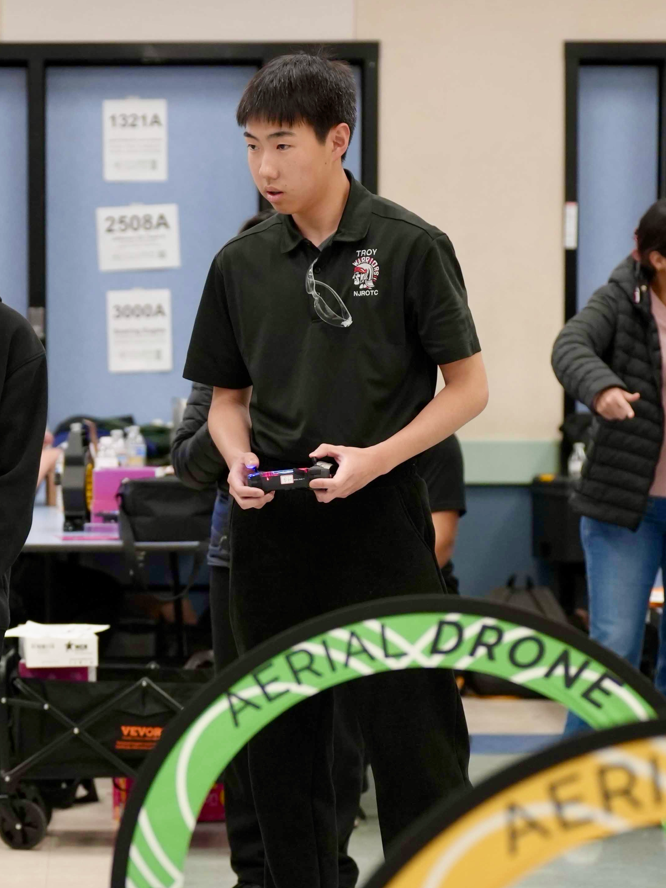
2024 National Champion.
FAA Part 107 Certified.
Carnegie Mellon University.
Your code actually flies.
Most school coding projects live in a browser tab. Ours has to take off, navigate a real field, score, and land on its own, the first time. Cadets work with sensors, control loops, and autonomous mission planning. That's the same foundation behind self-driving cars and modern robotics.
What you learn here scales. Cadets who get hooked have gone on to build their own larger airframes from scratch, run Robot Operating System on a Raspberry Pi, work with computer vision and satellite imagery, and turn full mapping or environmental-sensing builds into research-grade projects outside the program. The gap between a high school project and real engineering is mostly whether you keep going.
Colleges and CS recruiters notice the difference between a class project and a system that has to work in the air.
Explain it like the judges have never seen a drone.
Every season cadets submit an engineering logbook and sit a live interview, defending coding choices, strategy, and team management to outside judges. It is real training in technical writing, presenting under pressure, and translating between engineers and everyone else.
The same skills carry directly into college essays, scholarship interviews, internships, and the rest of life.
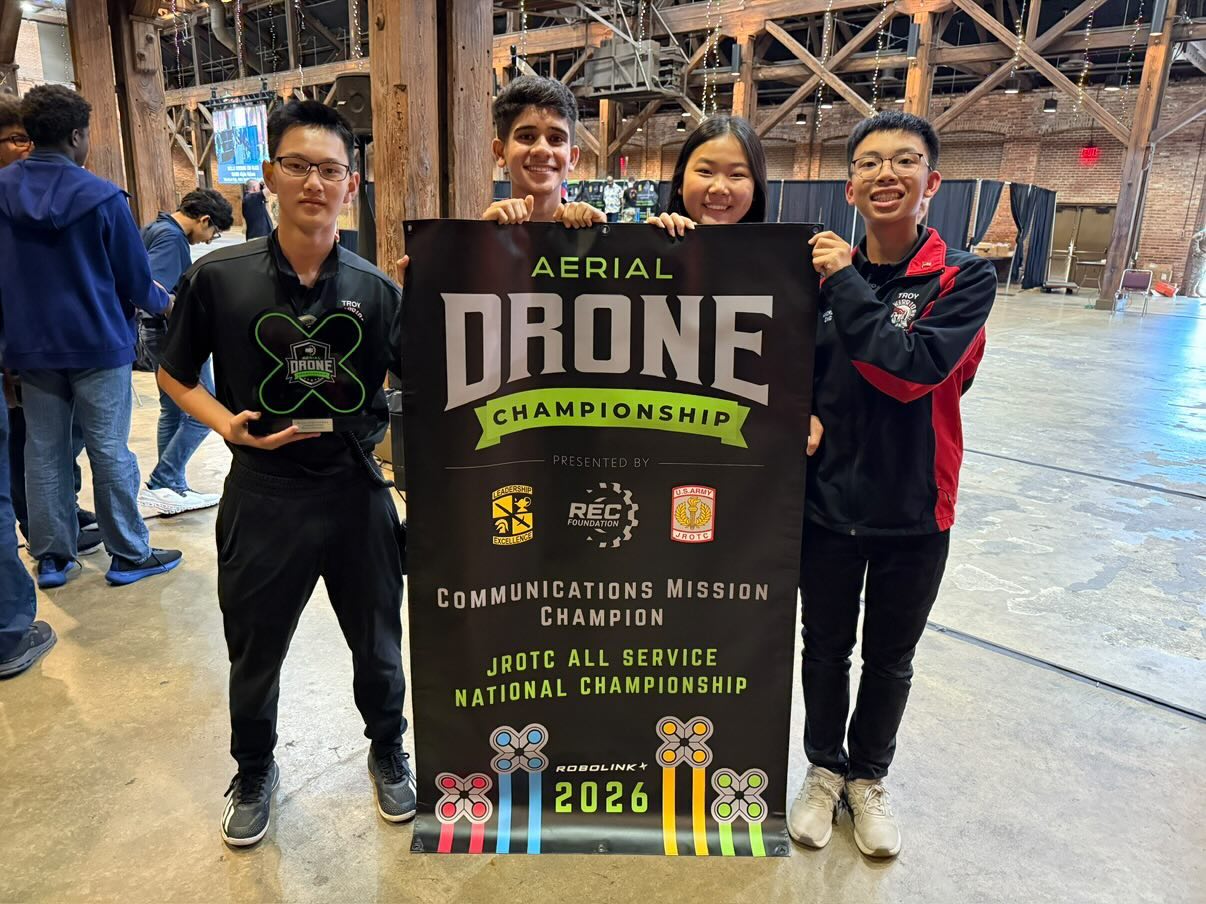
2026 Communications Mission National Champion.
No experience
required.
Show up.
Both divisions take new members each semester. Email us, or fill out the interest form, we'll get in touch.